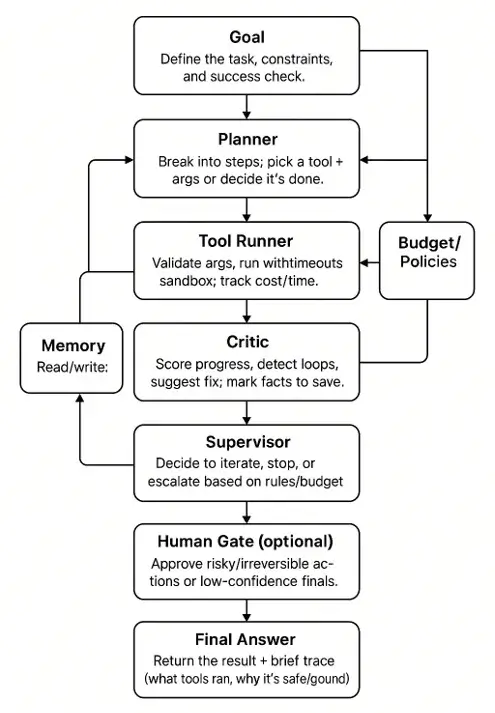
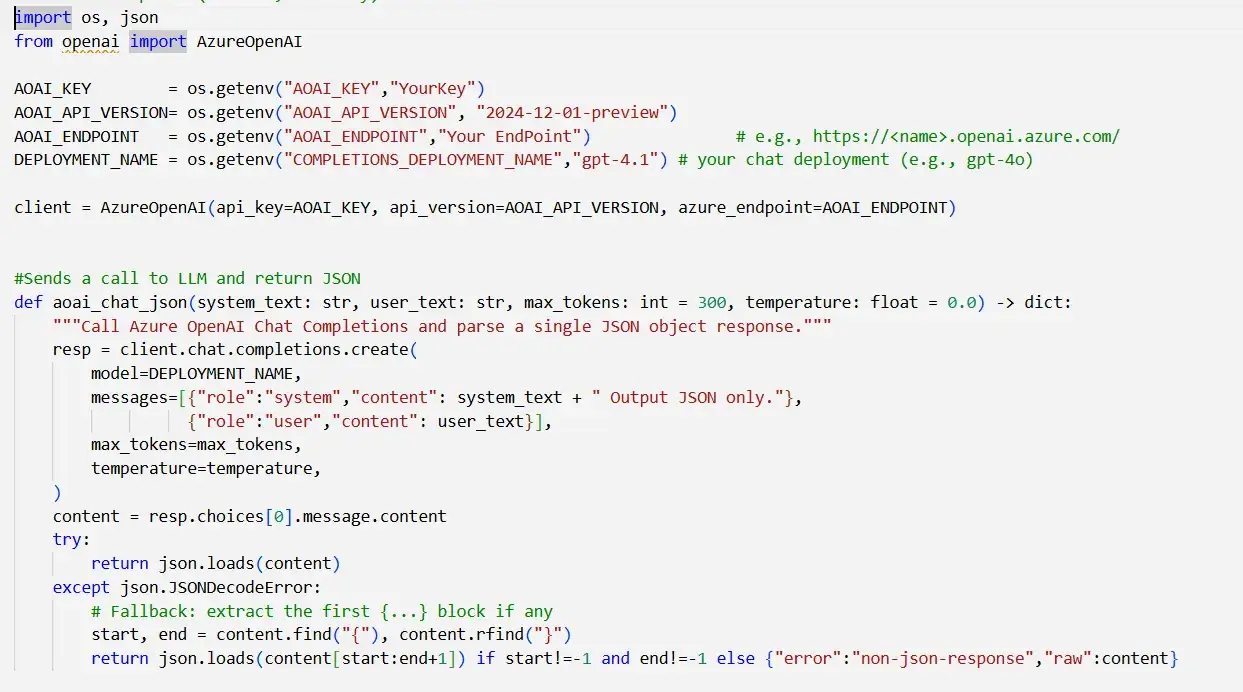
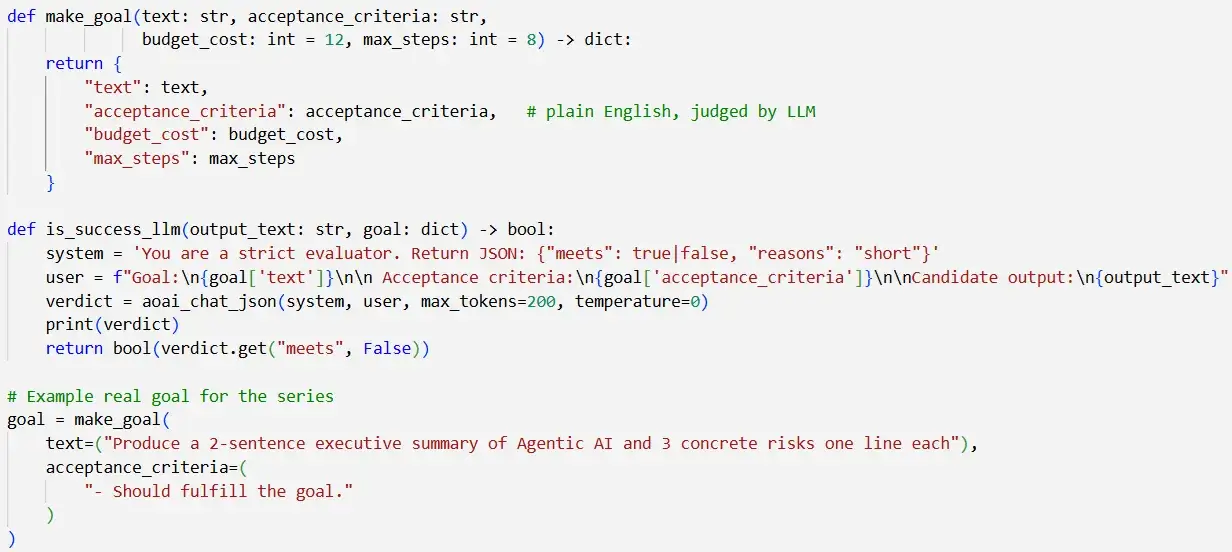
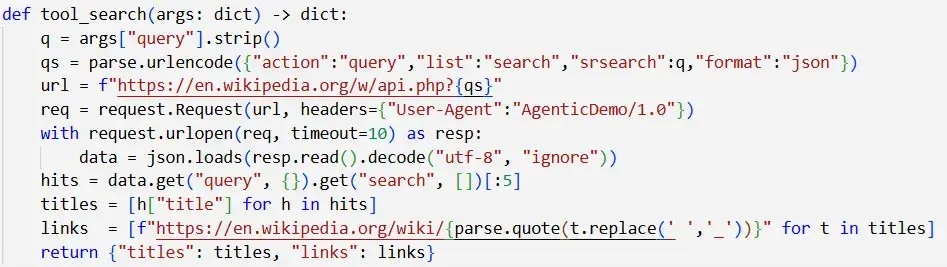
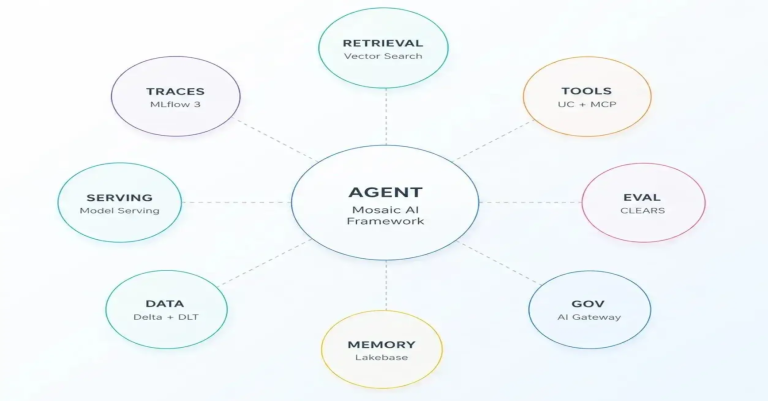
This blog provides a comprehensive, technically accurate overview of the architecture, lifecycle, and components of enterprise AI agents and how the Agentic AI Workflows work. Readers will gain clarity on how agents plan actions, execute tools, log observations, manage memory, apply feedback, supervise workflows, and produce verifiable results. All core principles, architectural elements, and implementation details are included to support teams evaluating or deploying Agentic AI at scale. In particular, the AI Agent Architecture model determines how reliably these systems coordinate planning, tool execution, memory, and governance.
Most AI deployments today suffer from fragmented reasoning, inconsistent outputs, limited auditability, and challenges in compliance-driven environments. Organizations require AI systems capable of executing controlled, repeatable, and transparent workflows—not single-shot text generation. Without planning logic, supervised execution, memory persistence, and strict policy adherence, AI remains unreliable for enterprise use.
Enhance enterprise performance with structured, auditable Agentic AI frameworks engineered for reliability.
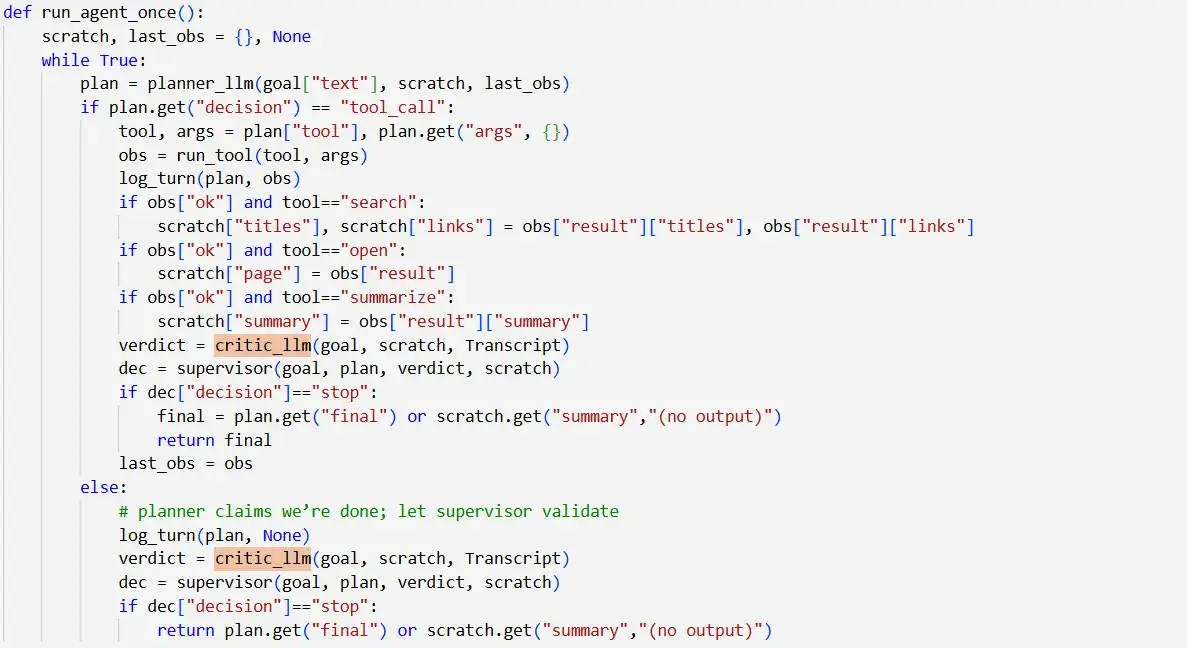
Agentic AI appears complex from the outside, but internally it operates through a clear and compact loop. A planner converts the user’s goal into a small, structured JSON plan containing a selected tool and its arguments. An actor or tool runner executes that tool with guardrails such as argument validation, timeouts, and policy restrictions, producing a structured observation. As steps progress, a scratchpad stores the evolving chain of decisions, and durable memory saves facts with source tags for retrieval.
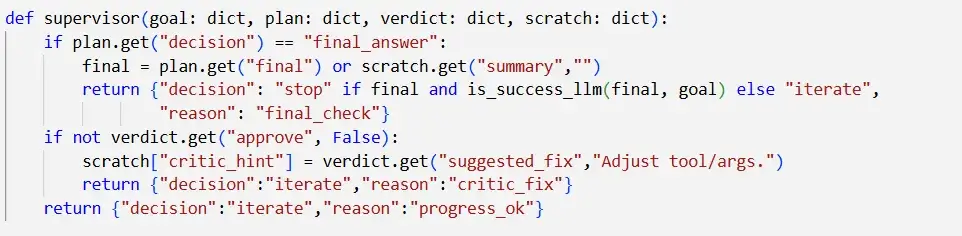
Supervise and Conclude: The supervisor decides whether to iterate or stop, based on rules and success criteria. The system returns the final answer with a trace containing actions, sources, time, and cost.
Explore expert insights into building future-ready Agentic AI architectures.
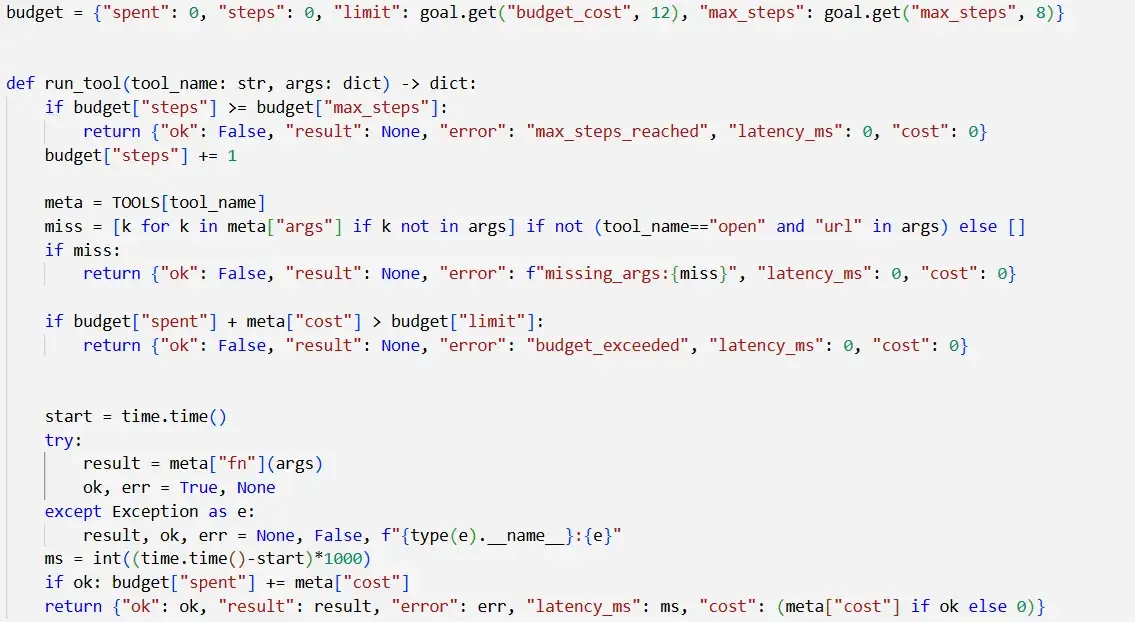
Two primary parameters control predictability:
These ensure safety and operational consistency.
The planner defines the tools and constructs the operational plan:
Supporting elements include:
This setup enables the agent to translate goals into structured actions.
It generates structured observations that the system uses to determine next actions.
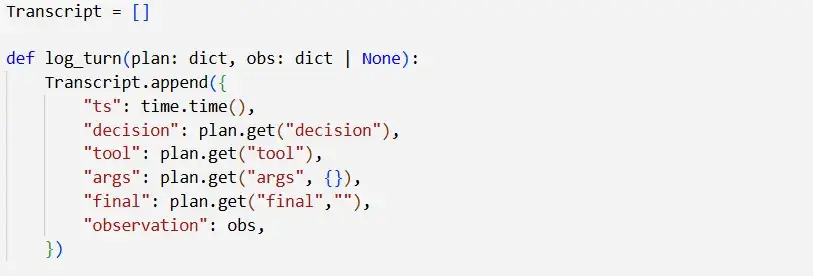
Captures detailed logs of each step to support reasoning, traceability, and improved decision-making.
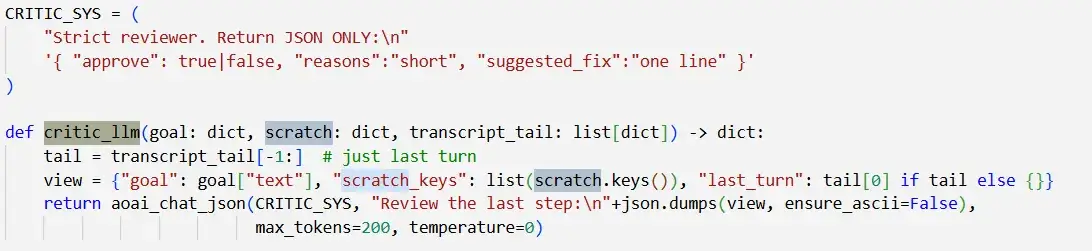
Evaluates whether each step was accurate and productive.
Determines whether execution continues, halts, or escalates. Ensures compliance, accuracy, and cost efficiency.
The orchestrator coordinates all components to:
This loop forms the foundation of modern enterprise agentic systems, enabling controlled, transparent automation.
Let’s create a Custom Agentic AI Workflow Design for Your Team